Small Group Personal Training Benefits in Franklin Lakes
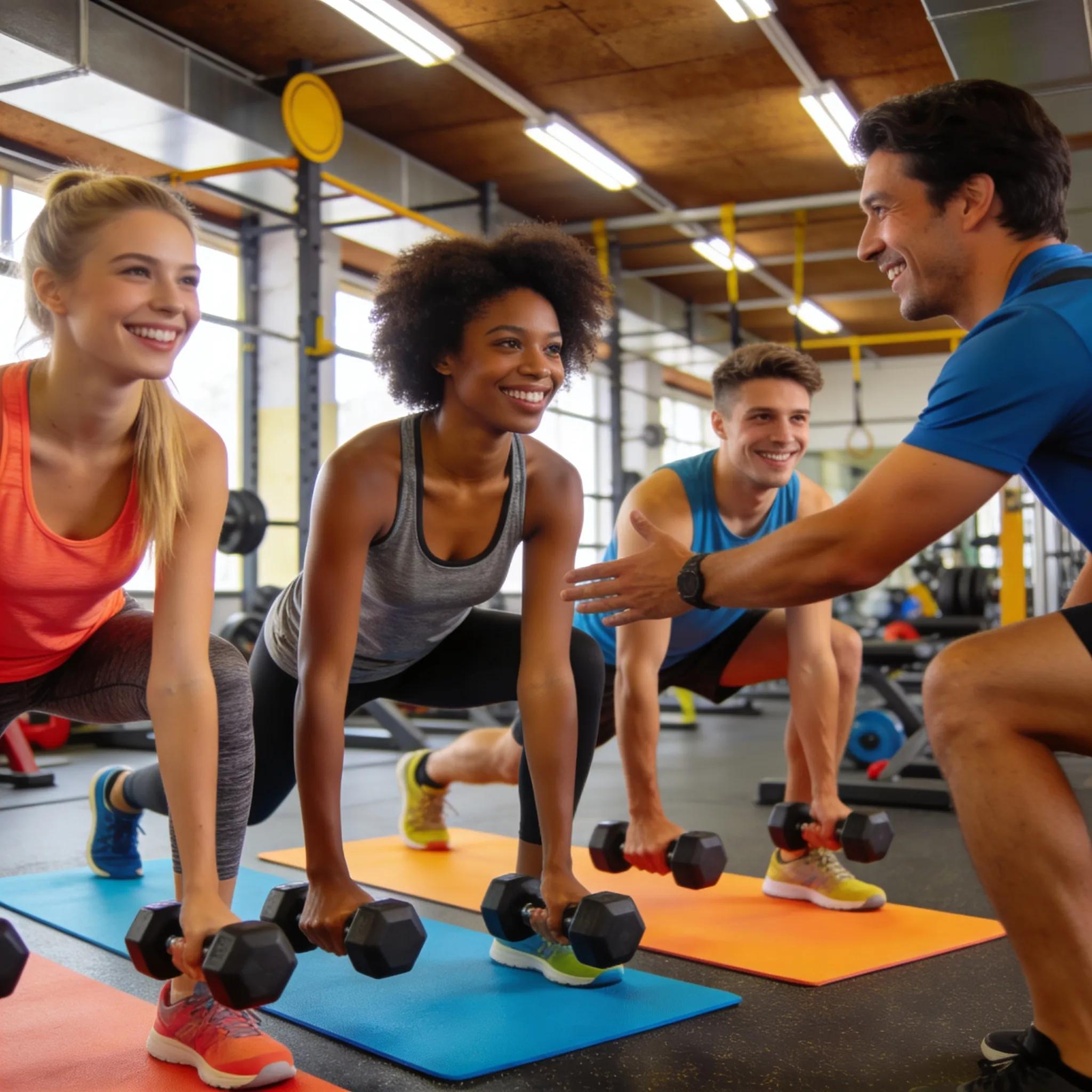
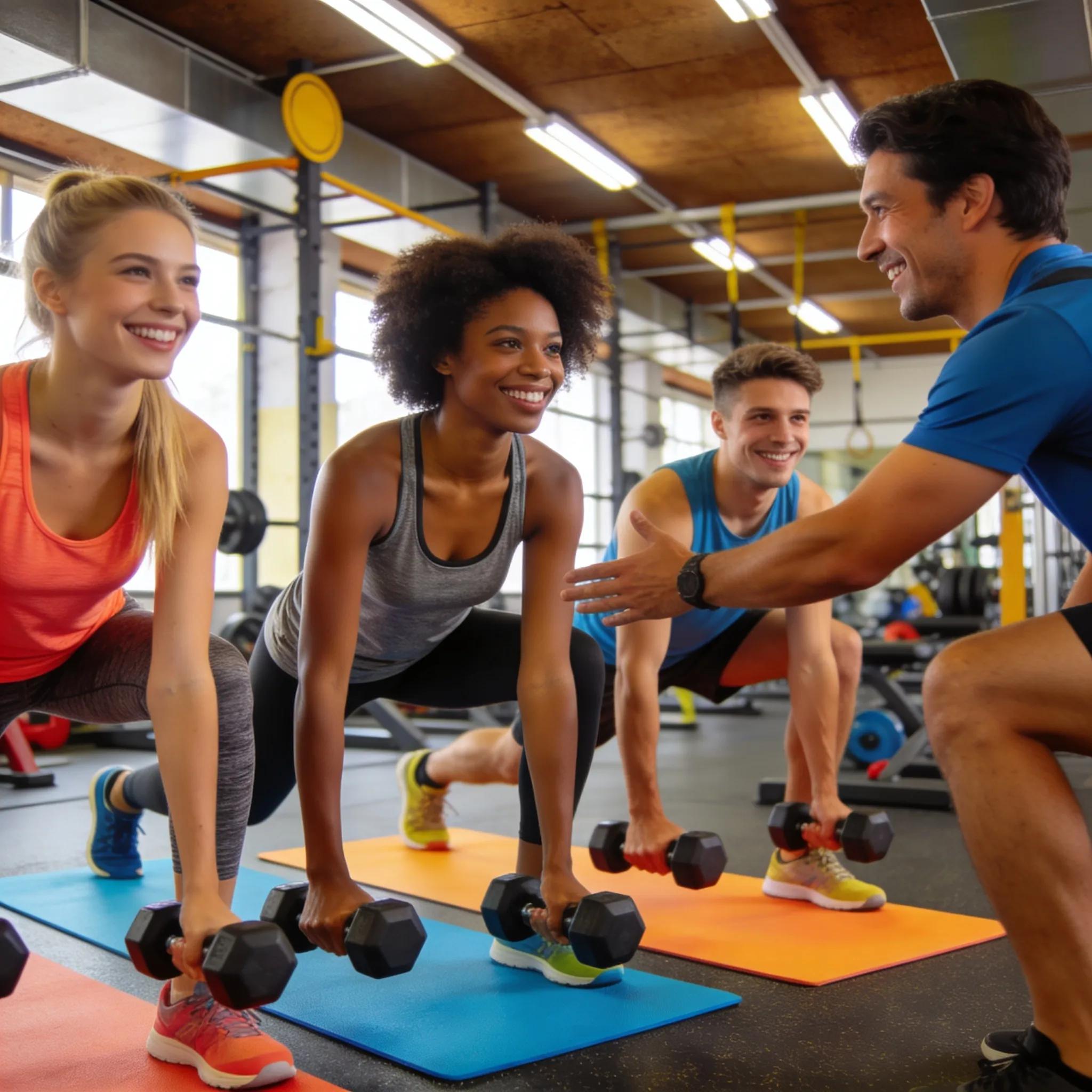
Small group personal training offers a compelling solution for individuals seeking to enhance their fitness journey through community-driven support and the benefits of tailored coaching. This style of training not only fosters motivation but also results in physical and psychological improvements due to the camaraderie and accountability present in group settings. In this article, we delve into the various advantages of small group personal training, including cost efficiency, structured programming, and community support, providing insights on why this approach is gaining popularity among fitness enthusiasts.
What Are the Key Advantages of Small Group Personal Training Programs?
Small group personal training programs provide several distinct advantages that serve to enhance motivation, results, and cost efficiency. By participating in group training sessions, individuals can experience improvements in their overall fitness while also enjoying financial benefits.
- Cost Efficiency: Small group training tends to be more affordable than traditional one-on-one personal training sessions, allowing participants to still receive professional guidance without the higher price tag.
- Increased Motivation: Training with others fosters a sense of community and accountability, particularly valuable for those who may struggle with self-motivation.
- Personalized Attention: Even in a group setting, trainers can offer personalized feedback and adjustments to ensure that each participant's unique needs are met.
What Cost Benefits Does Small Group Fitness Offer Compared to One-on-One Training?
When comparing small group fitness to one-on-one personal training, the cost benefits become evident. In a typical small group training program, participants often pay a fraction of the cost associated with individual sessions. For instance, while a standard personal training session may cost around $100 or more, small group sessions can often range from $20 to $50 per participant. This affordability opens the door to consistent training, allowing individuals to engage in more frequent workouts.
Additionally, participants benefit from enhanced value as they receive professional coaching at a lower rate, while also enjoying the camaraderie that comes from training within a supportive group environment. Ultimately, this balance of cost and experience can lead to higher retention and satisfaction among fitness program participants.
How Is a Small Group Fitness Class Structured for Maximum Effectiveness?
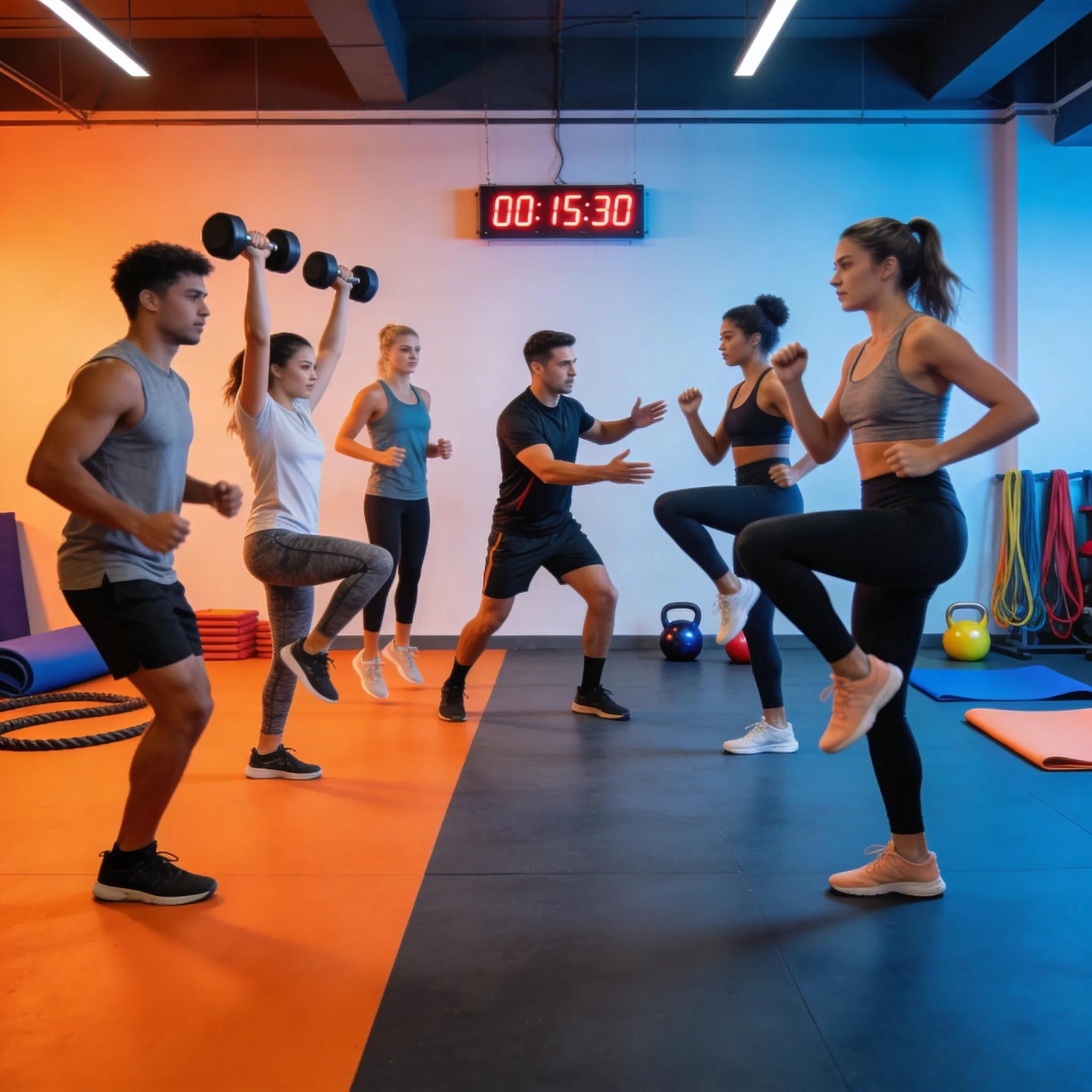
The structure of small group fitness classes is designed to maximize effectiveness by balancing personalized coaching with motivational group dynamics. Typically, classes consist of six to ten participants, which allows for sufficient interaction between the trainer and each participant while fostering a competitive yet supportive atmosphere.
- Session Layout: Classes often begin with a warm-up to prepare participants for the workout ahead, followed by a combination of strength, cardio, and flexibility exercises. This format ensures a comprehensive fitness approach targeting various muscle groups and types of training.
- Progress Tracking: Trainers frequently incorporate assessments to monitor progress and adjust plans accordingly. Regular check-ins help participants stay on track and visualize their improvements over time.
- Flexibility in Programming: Trainers in small groups can tailor each session to demand and participant needs, allowing them to modify exercises as required while ensuring that all participants remain engaged and challenged.
How Do Periodized and Science-Backed Programs Operate Within Small Groups?
In small group settings, periodized training programs are often employed to ensure that workouts are safely progressing over time. These scientifically-backed methodologies optimize performance and recovery through structured cycles of training intensity and focus. This could involve alternating weeks of higher-intensity training followed by recovery periods, enhancing not just strength and endurance but also reducing the risk of injuries.
By exploring these training methods, group participants can better understand their performance metrics and what strategies most effectively support their fitness goals. Adjustments based on tracked metrics can lead to continual improvement within the group environment, reinforcing the benefits of community-centric training.
Why Choose Small Group Personal Training in Franklin Lakes?
Opting for small group personal training in specific localities, such as Franklin Lakes, can offer unique advantages that enhance the experience. The sense of community present in these neighborhoods contributes significantly to the effectiveness of the training environment.
- Local Community Vibe: Engaging with familiar faces can strengthen relationships, boosting morale and accountability within the group.
- Accessibility of Programs: Programs tailored to local preferences ensure they meet the demands of those within the community, making it easy for individuals to find training sessions that suit their schedules and lifestyles.
- Support from Local Trainers: Having trainers who understand the community fosters a deeper connection, facilitating a more personalized training approach that considers local fitness trends and individual needs.
How Does Location-Driven Community Support Enhance Training Outcomes?

Community-driven support serves as a powerful motivator for individuals engaging in small group training. The shared goals within the group allow participants to uplift one another, fostering an environment conducive to success. Local community support can come in many forms:
- Shared Experiences: Group members bond over shared challenges and triumphs, further encouraging ongoing commitment.
- Social Encouragement: Regularly working out in a group creates a supportive atmosphere where individuals cheer on each other, enhancing morale and fostering persistent engagement.
- Enhanced Accountability: Knowing that others rely on you to show up can be a strong driver to stay committed to fitness goals.
This interconnectedness within the group elevates training outcomes, ensuring that participants are not just accountable to themselves, but also to their peers.
What Success Stories and Data Prove the Effectiveness of Small Group Training?
The effectiveness of small group training is supported by numerous success stories and positive outcomes documented in various studies. For example, many participants report improved strength, increased cardiovascular fitness, and enhanced overall wellness after committing to a group training regimen.
- Transformation Stories: Within small training groups, individuals often share their personal fitness transformations, inspiring others and reinforcing the group dynamic.
- Showcased Data on Success Rates: Many fitness facilities that utilize small group training report retention rates that are significantly higher than those experienced with individual training.
- Long-Term Health Improvements: Regular participation leads not just to immediate fitness improvements, but also better long-term health outcomes, such as reduced risk of chronic disease and improved mental health.
How Do Testimonials Reflect Improved Strength, Confidence, and Long-Term Health?
Testimonials from former participants serve as powerful indicators of the effectiveness of small group training. Many individuals express how these sessions have not only helped them gain physical strength but also increased their confidence in their ability to achieve fitness goals. Quantitative data from fitness assessments, such as increased strength measurements, paint a compelling picture of competence gained through group training.
These narratives demonstrate not just improved physical health but also enhanced psychological wellness, reinforcing the value of community-centric fitness approaches.
How to Select the Right Small Group Personal Training Program for Adults 40+?
When considering small group personal training, particularly for adults over 40, selecting the right program involves evaluating various criteria that ensure safety and effectiveness:
- Criteria for Selection: Look for trainers with experience working with older adults and groups that provide a welcoming environment suited to personal goals.
- Importance of Trainers' Expertise: Qualified trainers should demonstrate knowledge of age-specific considerations, such as modifications for injury prevention and rehabilitation.
- Supportive Environment Offerings: Programs should foster inclusivity, ensuring all participants feel comfortable and supported throughout their training sessions.
Which Group Training Motivation Techniques Best Support Long-Term Success?
Effective motivation techniques in small group training play a significant role in long-term success. Some beneficial strategies include:
- Goal Setting Strategies: Establishing clear, achievable objectives creates a road map for progress, motivating participants to stay engaged.
- Positive Reinforcement Techniques: Encouragement and positive feedback are vital in reinforcing behavior changes and celebrating achievements, no matter how small.
- Building Social Connections: Fostering friendships and collaborations within the group ultimately cultivates a sustainable fitness culture that encourages ongoing participation.
These techniques not only enhance individual success but also bolster the community aspect that is central to small group fitness training.
Is Small Group Training More Effective Than Personal Training Alone?
Contrary to popular belief, small group training is often as effective, if not more so, than personal training conducted one-on-one. Participants benefit from the synergy of a group dynamic, which enhances motivation and commitment. Statistical data often show improved retention rates in group settings, as the social aspect adds accountability that many individuals find beneficial. Furthermore, the cost-effectiveness of group training allows for more frequent participation, leading to better results over time as opposed to sporadic one-on-one sessions.
This comprehensive examination of small group personal training illustrates its multiple benefits and establishes a strong case for those exploring fitness options within group formats. By leveraging community support and professional coaching, participants can optimize their health journeys while enjoying the various advantages offered through these training modalities.
Frequently Asked Questions
1. How can I find a small group personal training program that fits my needs?
To find a small group personal training program that suits your needs, consider your fitness goals, schedule, and preferred training style. Research trainers’ credentials and the specific offerings of local gyms or fitness studios. Many places offer introductory classes or assessments, which allow you to experience the training environment and see if it aligns with your expectations. Additionally, check reviews and testimonials from previous participants to gauge the effectiveness and community atmosphere of the program.
2. Are small group training sessions suitable for all fitness levels?
Yes, small group training sessions can be designed to accommodate various fitness levels. Professional trainers often tailor workouts to meet the unique needs of each participant, ensuring that everyone feels challenged yet supported. It is important to communicate your fitness level and any specific concerns to the trainer so they can adjust the session accordingly. Inclusivity is a fundamental aspect of small group training, helping individuals from different backgrounds to work together towards their fitness goals.
3. What happens if I miss a small group training session?
Missing a small group training session is understandable, and many programs have flexible policies in place to accommodate absences. Check with your trainer or the facility regarding their policies. Some may offer make-up sessions, online workouts, or resources to guide your training at home. It’s advantageous to inform your trainer in advance when possible, so they can help you stay on track with your fitness goals and provide modifications for missed exercises.
4. How important is the trainer’s role in a small group setting?
The trainer plays a crucial role in small group settings, as they facilitate the workout, provide guidance, and ensure participants perform exercises correctly. A good trainer can elevate the experience by fostering a motivating environment, monitoring progress, and addressing individual concerns. Their expertise not only helps prevent injuries but also enhances the overall success of participants by adapting workouts to varying fitness levels and helping to drive engagement and accountability.
5. Can I bring a friend to a small group training session?
Most small group training programs encourage camaraderie and often welcome participants to bring friends along. Joining with a friend can enhance motivation and make the experience more enjoyable. However, it’s best to check with the trainer or facility about any specific policies regarding guest attendance. Some programs may require that external participants register in advance to ensure proper group size and attention from the trainer.
6. What should I wear for small group training sessions?
Wearing appropriate attire for small group training sessions is essential for comfort and mobility. Opt for breathable, moisture-wicking fabrics that allow for a full range of motion. Proper footwear, such as athletic shoes with good support, is crucial to prevent injuries. Additionally, consider bringing a water bottle and a towel to stay hydrated and maintain comfort throughout your workout. Always check with your trainer for any specific equipment or attire recommendations based on the session type.
7. How does small group training impact mental health?
Small group training can significantly enhance mental health by promoting social interaction, accountability, and a sense of belonging. Participants often report feelings of increased happiness due to shared experiences and support from peers. The motivation derived from working out in a group can also relieve stress and anxiety, while regular physical activity is linked to improved mood and overall well-being. This community aspect fosters positive mental health, making small group training a comprehensive approach to fitness.
Conclusion
Engaging in small group personal training allows individuals to benefit from tailored coaching while fostering a sense of community and motivation. This approach not only enhances physical performance but also nurtures psychological well-being, making it an effective choice for varied fitness goals. For those looking to elevate their fitness journey, consider exploring our diverse range of small group training programs. Begin your path to better health and well-being with supportive coaching and camaraderie today.
